Spinal cord injury taught me patience the hard way. This audiobook taught me a different kind — the kind that lives in the invisible middle.
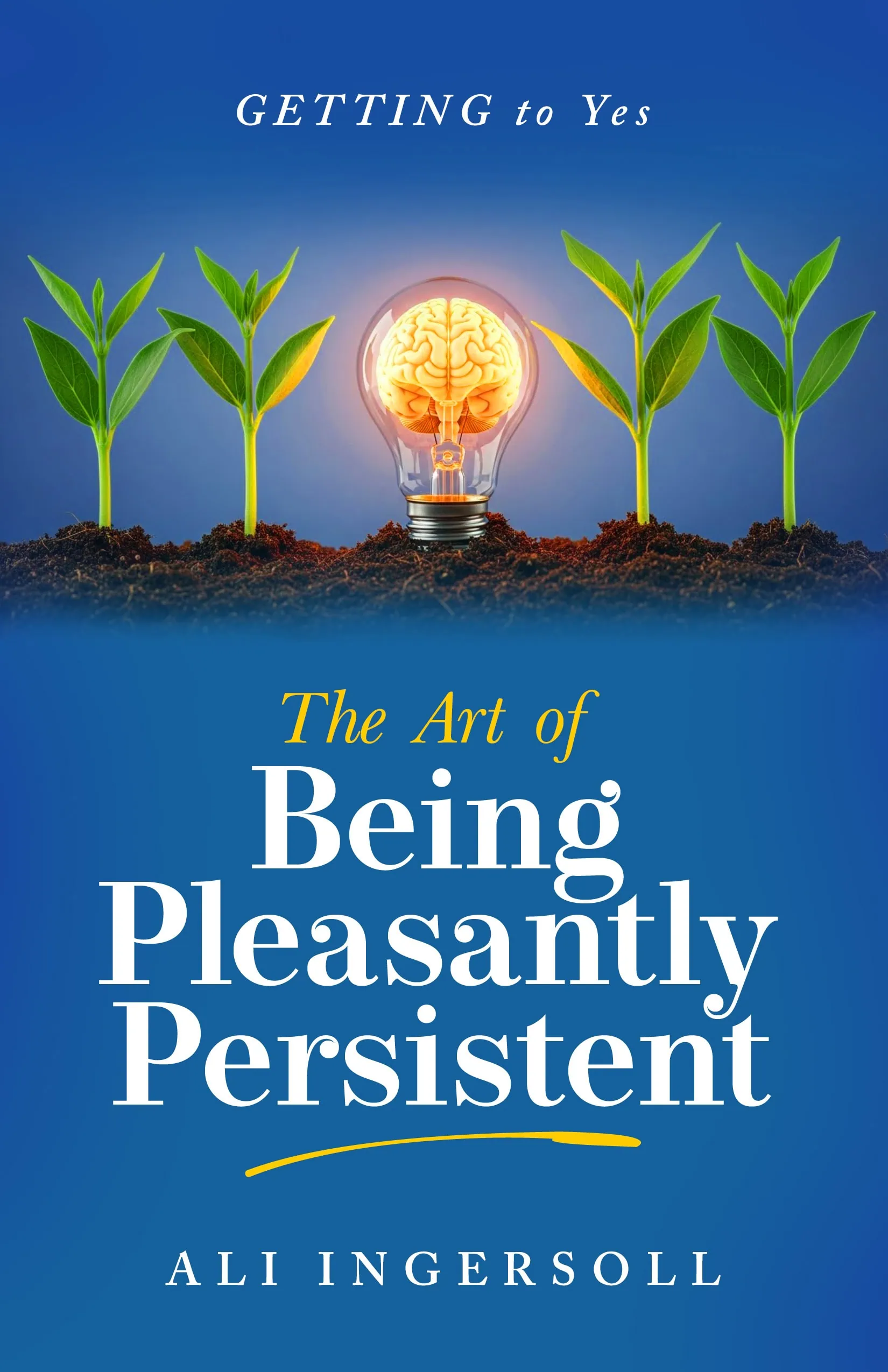
I’m proud to finally share that Unbreakable(ish): I Wasn’t Meant for Boring is now officially available on audio.
PERSONAL STORY:
I never recommend anything I haven’t tested extensively in my own life—I’m the chief scientist in my personal laboratory of perspective. And I know you’re doing the best you can with your own experiments too.
For a long time, I genuinely believed I had mastered patience.
After a spinal cord injury, seven years of surgeries, and more waiting rooms than I can count, patience didn’t feel optional — it felt baked in. Healing moved at its own pace. Bodies don’t care about calendars. Progress showed up in inches, not milestones. If patience were a class, I figured I’d already passed with honors.
Turns out… there was a sequel.
I’m proud to finally say this out loud: my memoir, Unbreakable(ish): I Wasn’t Meant for Boring, is officially out on audio.
What most people didn’t see was the timeline behind it. I started recording the audiobook in August, and it didn’t actually get published until January. That gap — those months in between — turned out to be one of the purest, most irritating lessons in patience I’ve had in a long time.
Once you’ve recorded your own story — for hours, with focus, vulnerability, and a microphone that hears absolutely everything — your brain assumes the finish line is right there. Surely it’s coming any day now. Instead, there were edits, reviews, technical delays, and yes… recording the entire thing twice. Why twice? That’s a long story. One that starts with ambition and ends with me saying, “Okay, but now I really understand patience.”
Somewhere around hour twenty-something of narration, my brain stopped being inspirational and started being sarcastic. This feels excessive. Hasn’t the universe heard enough? Should we summon a unicorn to file a formal complaint?
That’s when it hit me: patience isn’t tested when things are hard — it’s tested when things are unfinished. When the work is done but the outcome isn’t here yet. When progress is real, but invisible. When you know something meaningful is coming and you have absolutely no control over the timeline.
Looking back, of course, it feels worth it. I’m incredibly proud of this audiobook — not just because it exists, but because of what it represents. Access. Legacy. And my voice telling my story exactly as it’s meant to be heard.
But inside the waiting, it didn’t feel like patience. It felt like trusting something I couldn’t yet point to. That space — between effort and evidence — is where patience actually lives.👉 Click Here to Purchase Audio Book
Brain candy: what your brain is doing while you wait
Here’s the inconvenient neuroscience your brain would like to unsubscribe from:
Your brain is awful at waiting without feedback.
When progress is slow or unclear, your brain doesn’t think, “Ah yes, a meaningful process is unfolding on a responsible timeline.”
It thinks, “Something is wrong. Where is the tiger. Or the email. Or the audiobook approval.”
This is where two behind-the-scenes players take over:
The anterior cingulate cortex (ACC)
The ACC is your brain’s internal error-checker. It hates unresolved effort and uncertainty, and it will not stop commenting when something feels unfinished.
It’s the voice asking:
- “Are we there yet?”
- “Should this really be taking this long?”
- “Did we miss something… or break the universe?”
That’s why waiting doesn’t just feel slow — it feels personal.
Dopamine (aka your brain’s progress glitter)
Dopamine doesn’t reward completion. It rewards perceived progress. No visible movement? Dopamine drops. Low dopamine? Everything suddenly feels harder, heavier, and way more irritating than it actually is.
This is why waiting in the dark feels worse than doing something objectively difficult with visible momentum. Your brain isn’t being dramatic — it’s under-rewarded and deeply suspicious.
Patience, neurologically speaking, is the skill of staying regulated when your brain can’t see proof yet — and resisting the urge to invent unicorn-based grievances with the universe.
Professional Application: patience as a practical leadership tool (not a vibe)
Patience at work is often misunderstood as slowing down or lowering standards. Neurologically, it’s the opposite.
Impatience floods teams with urgency signals that activate stress chemistry. People move faster — but thinking gets narrower, creativity drops, and mistakes multiply.
Patience creates space — and space is where better decisions happen.
Here are three practical tools leaders can use immediately:
1. Replace “How fast can we finish?” with “What does progress look like this week?”
This feeds dopamine with small, visible wins and keeps teams engaged instead of depleted.
2. Build in “decision cooling-off windows”
When stakes are high, give decisions a short pause — even 24 hours. This reduces emotional reactivity and improves judgment. Fast doesn’t always mean smart.
3. Normalize iteration language
Swap “final version” for “current version.” It signals to the brain that movement matters more than perfection — and keeps momentum alive without panic.
Patience isn’t passive leadership. It’s regulating the system so people can actually think.
Personal Application: how to practice patience without becoming a monk
You don’t need to enjoy waiting. You just need tools to survive it without spiraling.
Here’s a three-step patience practice that actually works:
Step 1: Name the waiting
Say it out loud: “I am in a waiting phase.” Not stuck. Not failing. Waiting.
Labeling it reduces emotional charge and tells your brain, “This has a category. We’re not dying.”
Step 2: Create artificial progress signals
Since your brain craves dopamine, give it something to track:
• Time invested
• Reps completed
• Days shown up
• Pages recorded
• Emails sent
Progress doesn’t have to be glamorous. It just has to be visible.
Step 3: Shift the question
Instead of asking, “Why is this taking so long?” Ask, “What is this season strengthening in me?”
Patience isn’t about peace. It’s about staying steady long enough for meaning to catch up.
And yes — some days that just means not yelling at imaginary unicorns.
Wrap Up:
We love patience in hindsight. It sounds wise. Grounded. Earned.
But living it — especially in the middle — is a completely different experience.
Patience isn’t calm acceptance or quiet endurance. It’s the ability to stay engaged when the outcome isn’t visible yet. It’s showing up without certainty, trusting effort without evidence, and resisting the urge to panic just because the timeline isn’t cooperating.
If you’re in a season that feels slow, unfinished, or vaguely irritating, you’re not behind. You’re in the part where growth is happening quietly. The part that doesn’t photograph well. The part you’ll later point to and say, “Oh… that’s where everything shifted.”
And if nothing else, remember this: waiting doesn’t mean nothing is happening.
Sometimes it just means something meaningful is still loading.
(Unicorn approval pending.)
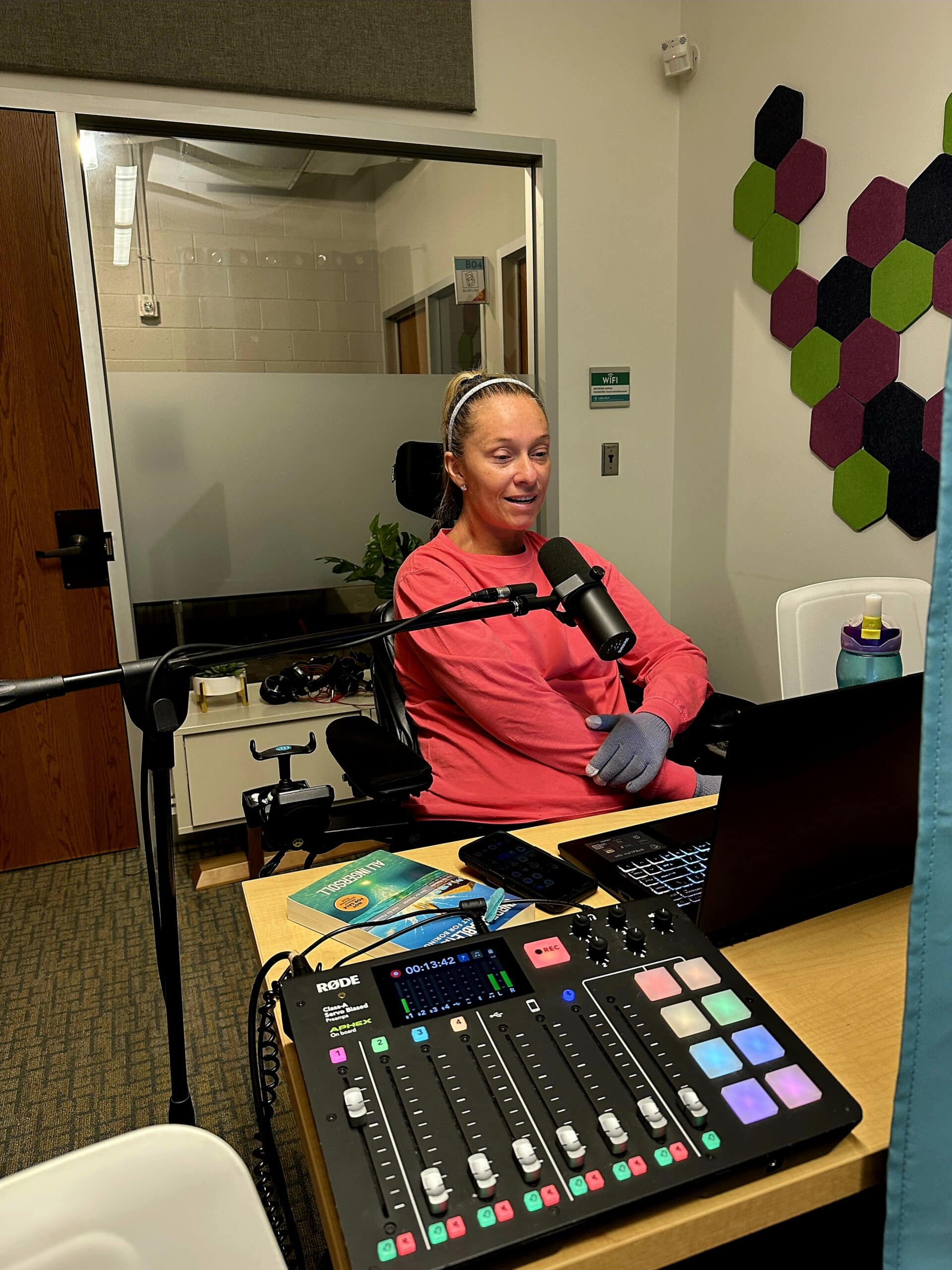

This is me recording my memoir Unbreakable(ish) — for the second time. Over 38 hours of narration, retakes, re-listening, and sitting with my own story longer than I ever planned to. This photo reminds me that patience often looks boring, repetitive, and wildly unglamorous… right before it becomes meaningful. The second photo is that the book launch seen everything come together.
TWO THINGS FOR YOU TO THINK ABOUT
- Most of us believe we’re patient… until we’re forced to wait with no clear timeline, no control, and no shortcut.
- Patience isn’t about calm acceptance — it’s about how your nervous system behaves when progress feels invisible.
TWO THINGS FOR YOU TO ASK YOURSELF
- Where in my life am I being asked to wait — and resisting it like it’s a personal insult?
- Am I confusing “nothing is happening” with “nothing is working”?
ONE THING FOR YOU TO TRY THIS WEEK
The next time you feel impatient, don’t ask “How do I make this go faster?”
- Ask instead: “What is this moment training me to tolerate?”
That question alone shifts your brain out of threat mode and back into perspective.
Remember: Patience isn’t the absence of action. It’s the ability to stay regulated long enough to make a better one.