Control is a funny thing. We crave it, lose it, chase it, and sometimes forget we ever had it. But neuroscience tells us that the moment we perceive choice — even when the options are limited — the brain activates reward circuits and quiets the stress response.
In short: choice feels like safety. And safety is what unlocks creativity, focus, and growth.
This month, I’m exploring how to reframe “control” as something internal instead of external — and how to use the science of choice to reshape the stories you tell yourself at work, in relationships, and in recovery.
We spend a lot of time trying to control things we were never meant to — outcomes, people, the Wi-Fi. (Especially the Wi-Fi.)
But control is slippery. What our brains actually crave isn’t control itself — it’s the feeling of choice.
Neuroscience shows that when we perceive agency — even in tiny doses — our stress chemistry resets. The amygdala (our brain’s built-in alarm system) chills out. Dopamine and serotonin trickle back in. And the prefrontal cortex — the part that helps us think clearly — clocks back in for duty.
That’s why taking back even a sliver of choice can transform panic into progress. This isn’t about pretending everything’s fine — it’s about remembering there’s always one lever left to pull: how we respond.
1. The Illusion of Control vs. The Power of Choice
Let’s be honest — “control” is a PR stunt. The brain knows the world is unpredictable, but it hates uncertainty. So it compensates by creating micro-illusions of control: to-do lists, color-coded calendars, backup snacks in the car.
The paradox? You don’t need actual control to calm your system. You just need to perceive you have options. Even something as simple as deciding “I’ll deal with this after lunch” gives your prefrontal cortex a sense of agency, pulling you out of emotional survival mode.
Choice is your built-in sedative.
2. How the Brain Interprets Choice
The second you take an active role — even in a mess you didn’t cause — the brain rewards you with dopamine. That’s its way of saying, “Nice move, human. Keep going.”
This is why we feel calmer after making a plan, sending the email, or deciding to stop doom-scrolling and just go to bed. Perceived agency activates your “CEO brain,” turning chaos into data.
Neuroplasticity — your brain’s ability to rewire itself — thrives on this. Every time you choose a response instead of reacting, you carve a new neural groove. It’s mental strength training — minus the gym smell.
3. Fault vs. Response
Here’s where most people get stuck: fault and responsibility aren’t the same.
Fault lives in the past. Response lives in the present.
You may not be at fault for what happened — but your brain is still waiting for you to respond. It’s like being dealt a bad poker hand: you don’t control the cards, but you can still play strategically. The winners aren’t always the luckiest; they’re the ones who stay in the game.
PERSONAL STORY: Waiting on Scarlett
I never recommend anything I haven’t tested extensively in my own life—I’m the chief scientist in my personal laboratory of perspective. And I know you’re doing the best you can with your own experiments too.
The Setup
For 18 years, my old van Pumpkin has been my freedom on wheels. She’s been across states, through storms, and over enough potholes to qualify as an off-road vehicle. But lately, she’s been showing her age — no longer road-trip ready.
So, I found a gorgeous new van, Scarlett, and signed the papers like a proud parent sending their kid to college. She was everything I wanted — sleek, reliable, a promise of independence 2.0.
That was eight weeks ago. Scarlett, it turns out, is still at “college”… and failing every test. Something in her digital system short-circuited, and she’s been in a full-blown mechanical identity crisis ever since.
The Collapse of Control
I’ve done all the things you do when something is technically yours but emotionally unavailable: check in every few days, stay polite, pretend I’m calm, and wonder if I’m ever getting her back.
The truth? I have zero control over the timeline. And that’s the part that messes with your mind — when the outcome is completely out of your hands, every day feels like a rerun of “Hurry Up and Wait.”
The Shift
But I still get to choose how I show up in the waiting.
I can choose to focus on gratitude — Pumpkin’s still running strong. I can choose patience instead of panic. I can choose to turn this downtime into prep time: writing, planning, and occasionally reminding myself that yelling at the calendar doesn’t make parts ship faster.
It’s not control. But it’s enough to keep my humor intact and my perspective clear.
The Resolution
No, I can’t control the repair schedule. But I can control how I respond while I wait. And honestly, that’s where resilience is built — not in the having, but in the holding pattern.
One day soon, Scarlett and I will finally hit the road — hopefully before she qualifies for social security. Until then, Pumpkin’s still carrying me forward.
And maybe that’s the real lesson:
Freedom doesn’t come from what you can control. It comes from remembering you still have choices — even when you’re parked.
Personal Application: Reframing Control in Real Life
You can’t manifest your way out of bad news. You can’t gratitude-journal your way through chronic pain. But you can choose your next question, your next breath, your next metric for “enough.”
When life feels unmanageable, try this micro-reset:
- Name what’s outside your control. (Bonus points for swearing while doing it — catharsis counts.)
- Name one thing you still can do.
- Do it — even if it’s small, like making the phone call or drinking water instead of doomscrolling.
The goal isn’t to fix everything. It’s to remind your brain it’s not helpless.
And humor helps. If you can laugh, even a little, your brain’s stress chemistry shifts. Sarcasm: 1, Cortisol: 0.
Professional Application: The Neuroscience of Ownership at Work
Leaders love talking about control — usually right before losing it. Here’s the truth: micromanagement is the workplace version of a toddler squeezing a juice box. Everyone ends up sticky, and nothing productive happens.
When teams have autonomy, their brains release dopamine, which fuels creativity and engagement. When they don’t, the amygdala triggers stress chemistry that shuts down innovation. The difference between “We have to hit this target” and “We’re choosing to prioritize this goal” sounds subtle — but neurologically, it’s massive.
Choice reframes pressure as purpose.
Try this:
- Let your team make one small decision that’s usually top-down. Watch how quickly accountability rises when people feel ownership.
- Replace “failure” with “data.” The brain rewards progress, not perfection — that’s called the progress principle.
- Remember: people can survive a lot of uncertainty, but not feeling powerless.
Choice is the antidote to burnout.
Wrap Up: Play the Hand You’ve Got
You don’t get to pick every card — but you do get to decide how to play.
When life feels out of control, make one small, conscious move.
That’s not denial. That’s neuroscience.
Choice is where freedom starts — and sometimes, the only thing you can control is how epic your plot twist will be.
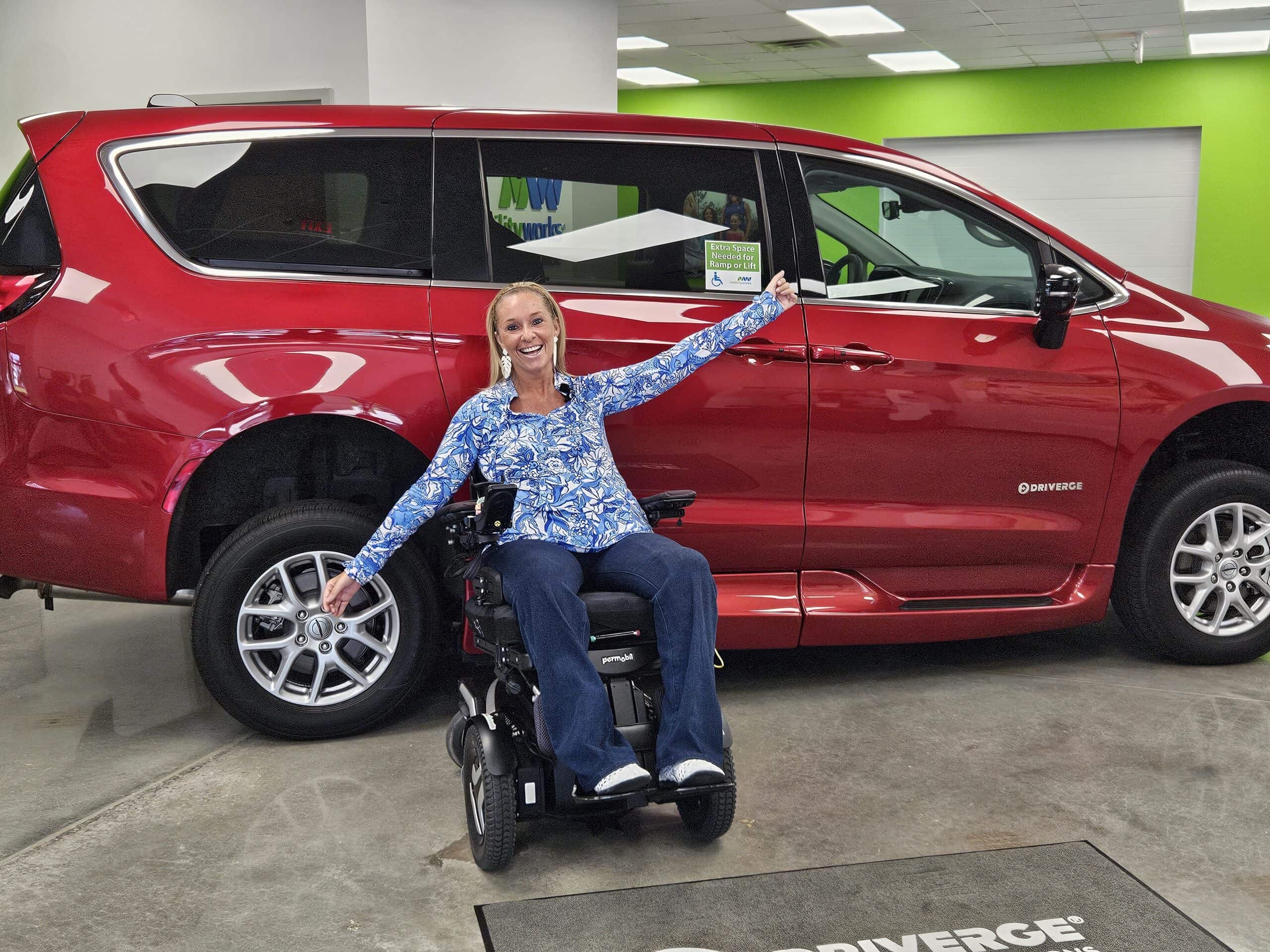
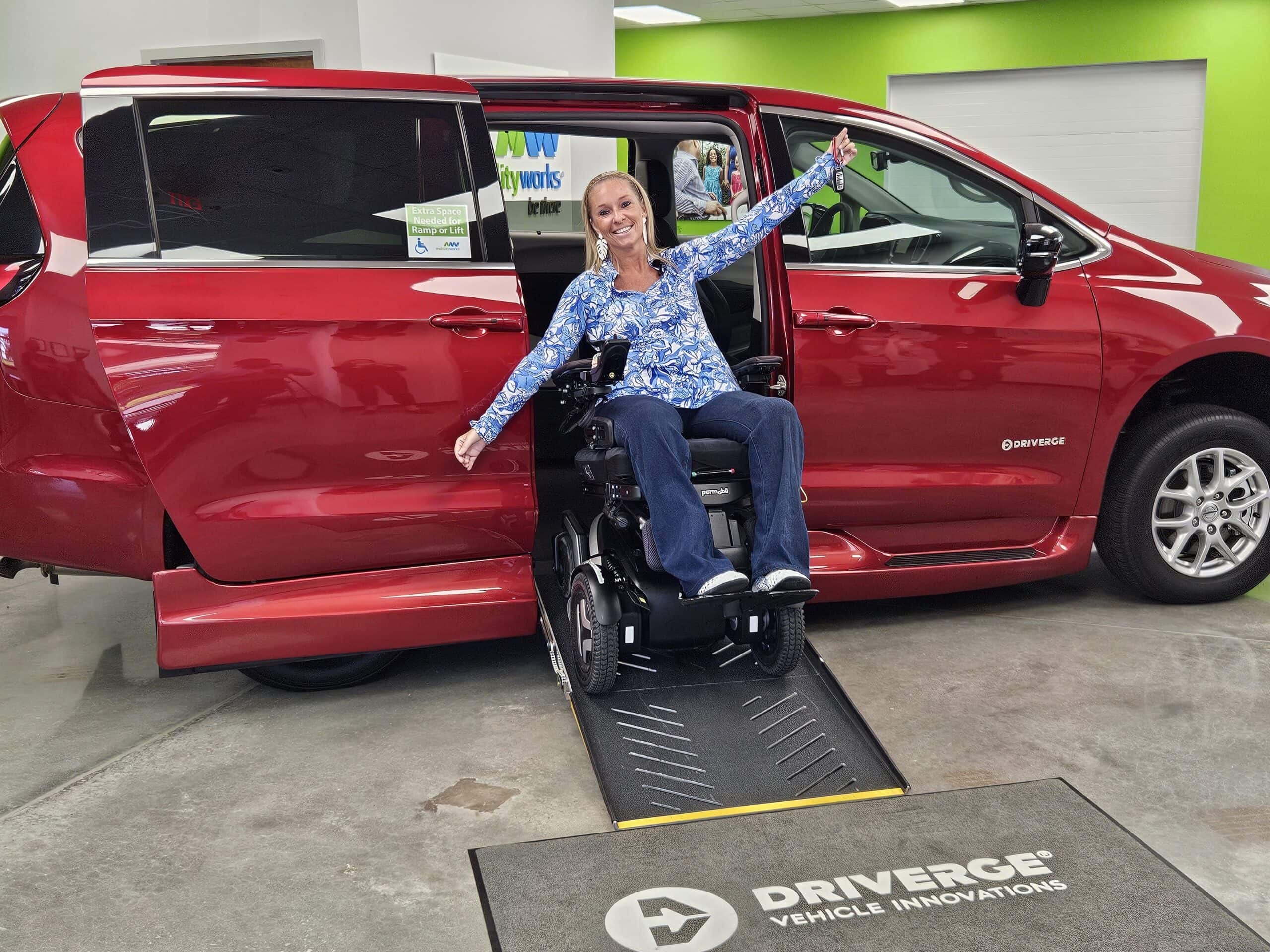
This was supposed to be the big ‘Scarlett’s finally home!’ moment… but the universe had other plans. Turns out, she wasn’t quite ready yet. So for now, we wait — choosing patience over panic, perspective over perfection, and humor over control.
TWO THINGS FOR YOU TO THINK ABOUT
- You can’t always control what happens — but your brain finds freedom the moment it believes it can choose a response.
- Problems don’t define you; how you interpret and act on them literally rewires your neural pathways toward resilience or helplessness.
TWO THINGS FOR YOU TO ASK YOURSELF
- What’s one situation I’ve been calling “unfair” that might look different if I saw it as a challenge instead of punishment?
- What’s one situation I’ve been calling “unfair” that might look different if I saw it as a challenge instead of punishment?
ONE THING FOR YOU TO TRY THIS WEEK
- When you catch yourself saying “I have to,” pause and replace it with “I choose to.”
- It feels awkward at first — but it forces the prefrontal cortex to re-engage, shifting your brain from obligation to ownership. That’s how small linguistic tweaks start big psychological shifts.
Remember: Every decision — even tiny ones — tells your brain a story about who’s in charge. Choose often. Choose consciously. Choose to keep choosing.